Hydrodynamic Bearings for Critical Rotating Machinery

Hydrodynamic Bearings Engineered for Stability and Reliability
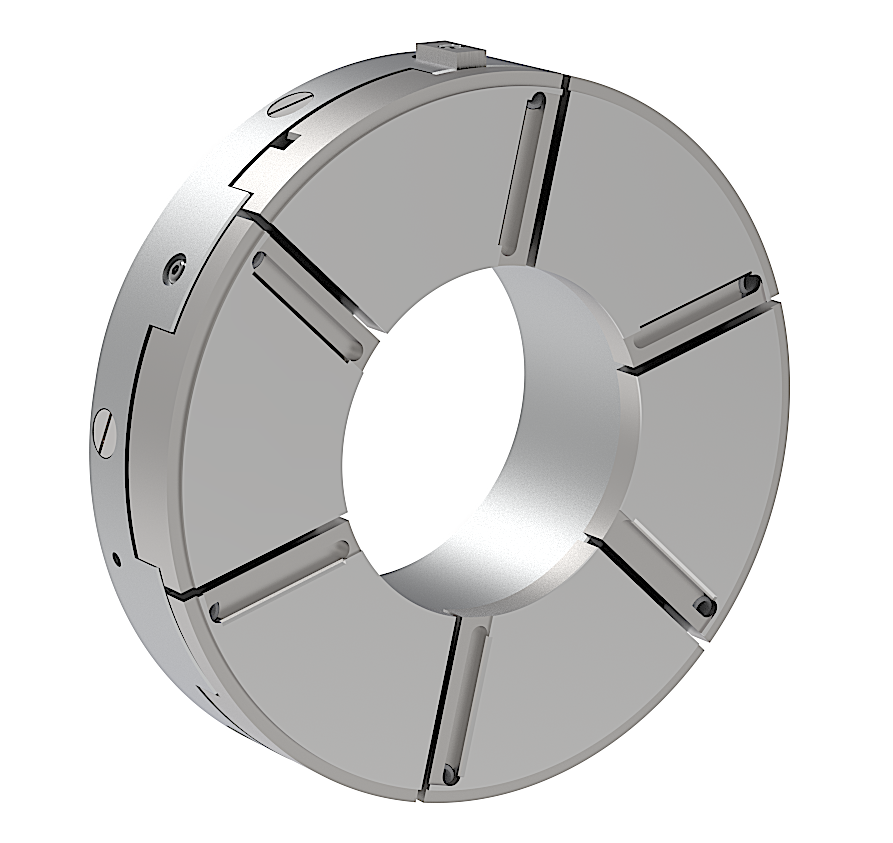
Kingsbury Hydrodynamic Bearings support rotating shafts by maintaining a stable oil film that separates metal surfaces under load. In service, this oil film carries axial or radial loads, accommodates thermal growth, and protects machinery during continuous operation. Kingsbury’s designs are defined by controlled lubrication, predictable operating temperatures, and long‑term field reliability in demanding industrial environments.
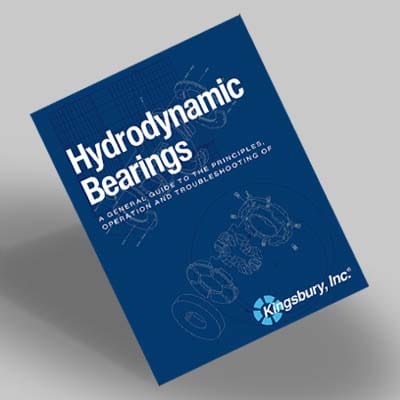
To help you enhance your own knowledge of hydrodynamic bearings, we’ve published the helpful “General Guide To The Principles, Operation and Troubleshooting of Hydrodynamic Bearings”.





Key Applications
Hydrodynamic bearings are applied where rolling element bearings cannot reliably support load, speed, or service life expectations. Common applications include:
Steam and Gas Turbines
Primary thrust and journal bearings in utility‑scale steam turbines and industrial gas turbines, where high axial loads, elevated oil temperatures, and continuous duty are expected.
Hydroelectric and Pumped Storage Units
Flooded thrust bearings and journal bearings supporting vertical and horizontal machines, often operating under variable load conditions and frequent start‑stop cycles.
Large Compressors and Pumps
Mainline compressors, boiler feed pumps, and pipeline applications where shaft stability, vibration control, and oil cleanliness determine machine availability.
Generators and Motors
Bearings supporting high‑inertia rotors and accommodating thermal and alignment changes during load swings and startup transitions.
In operation, hydrodynamic bearings create a self‑renewing oil wedge that supports load without direct surface contact. Performance outcomes observed in the field include:
- Stable oil film formation under sustained load and speed
- Predictable pad temperatures when oil flow and clearance are properly set
- Low wear rates when oil cleanliness and alignment are maintained
- Tolerance for transient events such as load changes and short‑term upset conditions
Directed lubrication designs are applied where reduced oil flow and lower power loss are required, particularly in high‑speed machinery. Flooded configurations remain preferred where load stability, simplicity, or start‑up behavior are the primary concern.
Performance Highlights
In operation, hydrodynamic bearings create a self‑renewing oil wedge that supports load without direct surface contact. Performance outcomes observed in the field include:
- Stable oil film formation under sustained load and speed
- Predictable pad temperatures when oil flow and clearance are properly set
- Low wear rates when oil cleanliness and alignment are maintained
- Tolerance for transient events such as load changes and short‑term upset conditions
Directed lubrication designs are applied where reduced oil flow and lower power loss are required, particularly in high‑speed machinery. Flooded configurations remain preferred where load stability, simplicity, or start‑up behavior are the primary concern.
Technical Options
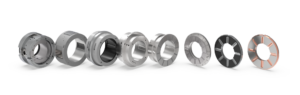
Kingsbury Hydrodynamic Bearings are supplied in multiple configurations to match machine design intent and operating reality.
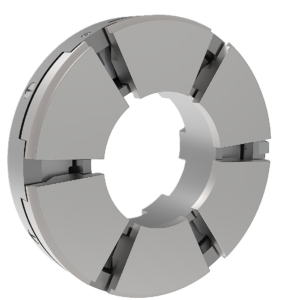
- Tilting pad thrust and journal bearings
- Fixed profile thrust bearings for compact or OEM‑driven designs
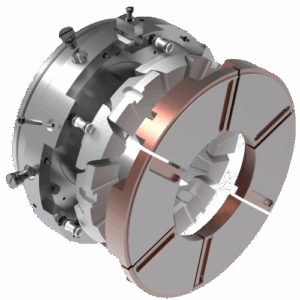
- Equalizing and non‑equalizing pad arrangements
Lubrication Schemes
- Flooded lubrication for broad operating margins
- Directed lubrication to control oil delivery and reduce parasitic losses
- Oil lift provisions for low‑speed startup or heavy load conditions
Materials and Construction
- Steel‑backed, babbitted pads with proven fatigue performance
- Alternative pad and shoe materials for elevated temperature or specialty service
- Precision‑machined housings to maintain alignment and clearance control
Instrumentation and Monitoring
- Embedded or surface‑mounted temperature sensors
- Provisions for proximity probes and vibration monitoring
- Design features that support visual inspection during outages
Why Kingsbury
Kingsbury’s role in hydrodynamic bearing performance does not end at manufacture. Engineering support is informed by decades of installation, inspection, repair, and retrofit experience across power generation, industrial, and renewable energy sectors.
Field investigations routinely consider oil condition, temperature trends, wear patterns, and alignment data rather than isolated design values. Many retrofit solutions address changes in load profile, operating speed, or duty cycle that were not part of the original machine specification. This application‑driven perspective allows bearing designs and recommendations to reflect how equipment actually operates today.